Each way to learn offers explanations, feedback on what you do, or both. Compare them by the help you need next, the time you have and the fishing you want to try.
What's the best way to learn to fish?
The best way to learn to fish is to combine clear beginner lessons with practice and someone who can check your technique. Learn to Fish: Fishing Basics, our Android app, provides an ordered learning path. Add a patient friend, a free event, a club or a paid teacher according to your needs.
What's the best way to learn to fish?
Choose a source of explanations and a source of feedback. They can be different: a book can explain a knot, while a patient angler watches you tie it.
This table compares what each option offers. Costs are general categories, not quotes. Ask about local fees and what is included.
| Option | Cost | Feedback | Flexibility and fit |
|---|---|---|---|
| Friend or relative | Agree on shared expenses | Can watch and correct you | Arrange together; suits someone with a willing teacher |
| Official beginner event | Some are free; access fees may apply | Instructor help in a group | Set dates; useful before buying gear |
| Fishing club | Ask about dues and trip fees | Depends on beginner support | Scheduled activities; suits someone seeking fishing companions |
| Guide or charter | Paid booking; check inclusions | Agree on teaching time | Book ahead; suits a specific local goal |
| Book or printed guide | Free agency guide, borrowed book or purchase | Compare with text and diagrams | Read at your pace; useful as a reference |
| Free videos | Free to view | Compare with a demonstration | Replay a particular step when needed |
| Structured app | First 2 lessons per path free; subscription for the rest | Compare with demonstrations; no instructor watching you | Learn at your pace, including offline |
In Learn to Fish: Fishing Basics, our Android app, three choices (where you want to fish, how, and your experience) set up your path. Its lake bait path covers rod setup and trip planning, then casting practice before you tie on a hook.
Use the table to choose help for your actual gap. If you need someone to explain why your cast fails, arrange for someone to watch it. If you need an order to follow, choose a beginner guide or learning path.
Ask a friend or club for teaching time
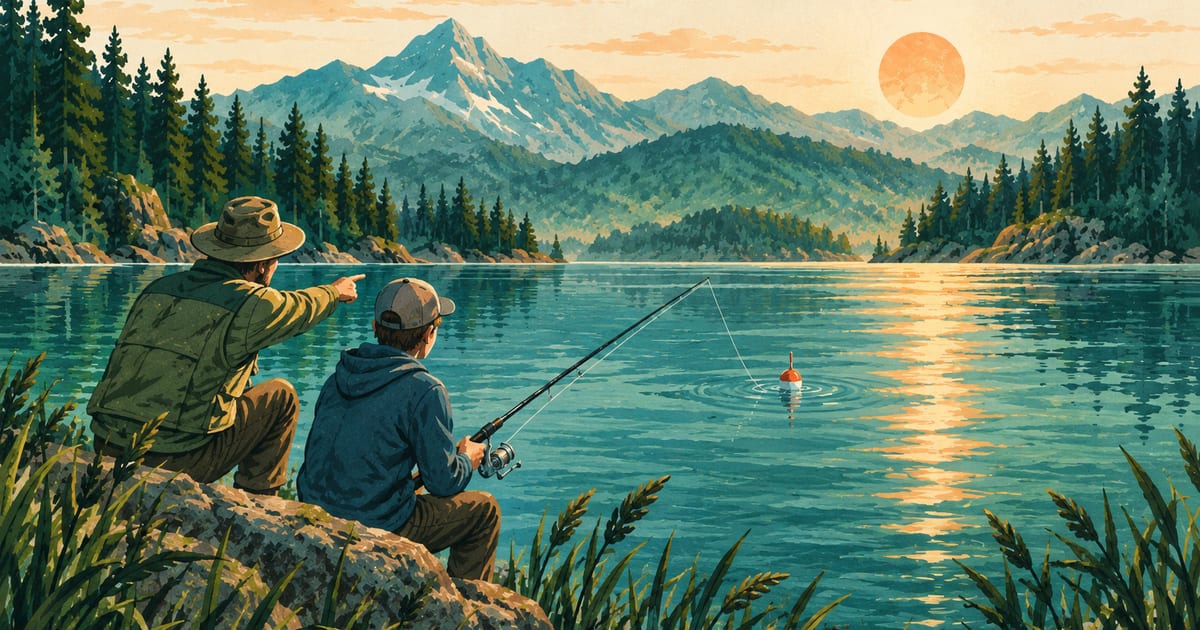
A willing fishing companion gives you a chance to ask questions while using your own equipment. Official fisheries guidance calls fishing with a more experienced angler a proven way for beginners to learn, and describes clubs as places to learn and share knowledge.
Ask a friend or relative for a teaching outing, rather than simply an invitation to their usual fishing trip. Try: "Could we use one simple setup and let me do the preparation while you watch?" Agree on the water, method and any shared expenses first.
Look for someone who will:
- Explain the setup in words you understand.
- Demonstrate a step, then let you repeat it.
- Watch your casting and knot tying.
- Show how to bring in, unhook and release a fish carefully.
- Check current rules instead of relying on memory.
Choose a club with the same care. Ask whether it welcomes adult beginners, runs teaching sessions and fishes the water you want to learn. A club focused on competitions may offer a different experience from one with a beginner group. Find out before paying membership dues.
Your helper's experience should match your goal. Ask about their experience on lakes, rivers or the sea, and with bait, lures or flies. Someone can be helpful without teaching every kind of fishing.
Check what a beginner event includes
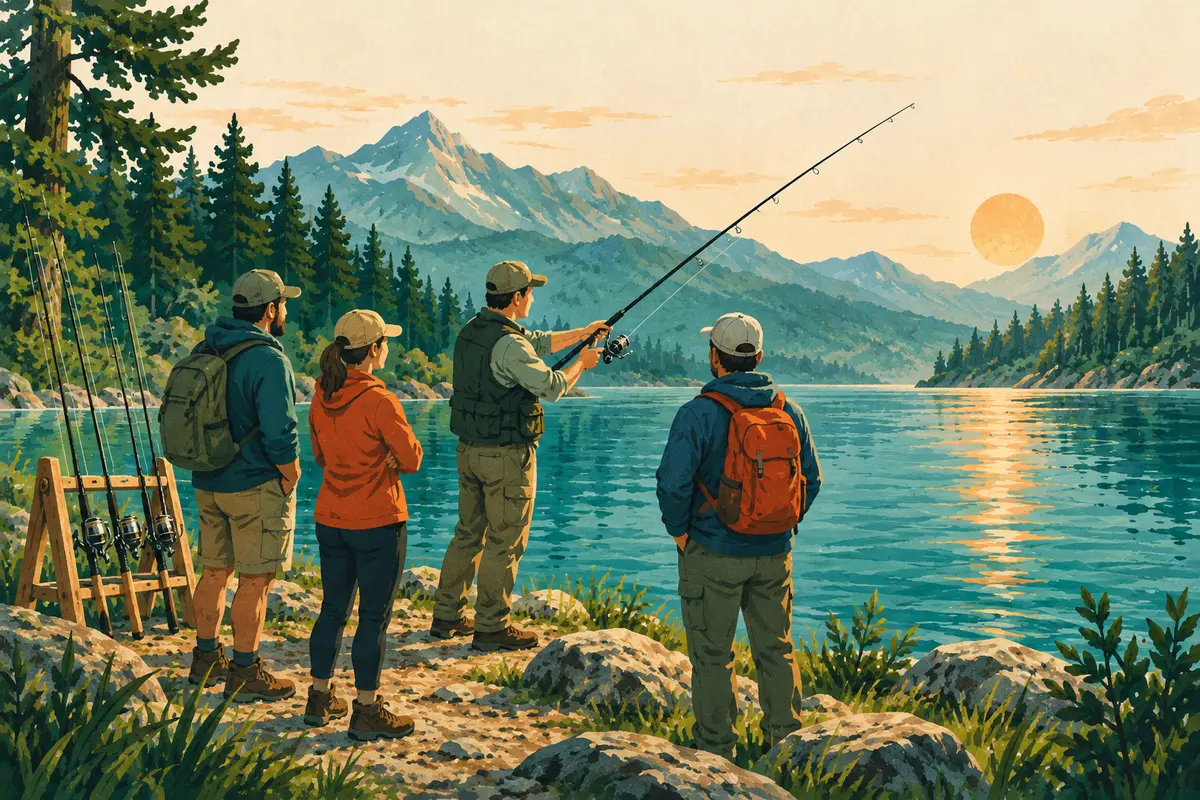
A free beginner event gives you an instructor and a plan, so check what you will actually do before you book. Some free learn-to-fish events welcome adults, supply equipment and offer supervised practice, and some programs run both freshwater and saltwater sessions. One official program spends an hour teaching equipment, safety and rules, then an hour of supervised fishing, and supplies the rod, reel, bait and a license for that session.
Before you register, ask:
- Is it open to adults on their own?
- Will I rig, bait and cast myself?
- Does the session license cover fishing afterward?
- Are there parking or entry fees, and do places fill up?
Gear loans and license-free days do not necessarily include teaching; for how to find and check these kinds of help, see can you teach yourself to fish.
Pay for a guide when the teaching matches your goal
A paid session makes sense when you want focused local instruction and can agree on what you will learn. Official fisheries guidance describes professional services ranging from beginner lessons to guided fishing trips.
Tell the provider you are an adult beginner before booking. Say whether you want to fish from shore or a boat, and whether your goal is bait fishing, lures or fly fishing. Ask for a lesson that helps you repeat the method later.
Useful questions include:
- Will I learn to prepare the equipment, or will it arrive ready to use?
- Will you watch me cast and explain corrections?
- How many learners will share the instructor or crew?
- Can we cover safe fish handling before fishing starts?
- What equipment, bait and safety gear are provided?
- What license arrangements, extra charges and weather cancellation terms apply?
A charter can introduce you to fishing from a boat at sea, but ask specifically about teaching time. If you want to fish from a beach later, also ask how much of the boat lesson will help with that goal. Do not assume the two sessions teach the same tasks.
Check local requirements for guides and charter operators through the relevant fishing and boating authorities. Before paying, get a clear description of the lesson, the total booking cost and what happens if conditions prevent the trip.
Use books, videos and an app between lessons
Home resources let you return to an explanation without asking a person to demonstrate it again. Choose the format that makes the particular step clear to you.
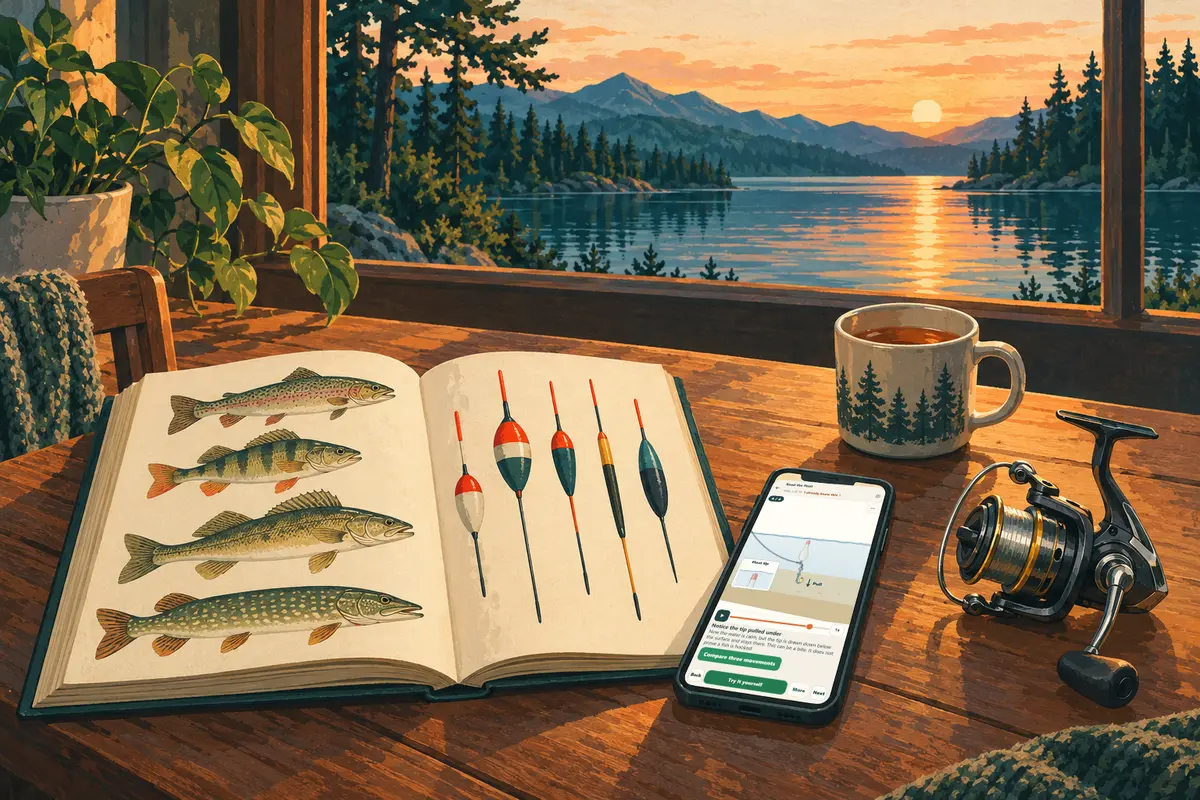
Books and printed guides suit readers who want diagrams beside their equipment or a reference they can revisit. Fishing authorities publish beginner guides, including free ones. Choose one that explains your reel and fishing method; use current official pages for rules rather than an older book.
Free videos help you see a movement, such as releasing the line during a cast. Start with demonstrations from fishing authorities or IGFA. Match the reel and setup to yours. A demonstration of different equipment may leave your immediate question unanswered.
A structured path supplies an order when you do not know what to study next. Most lessons in the app have a 3D animation you can turn with your finger, play at normal, slow or very slow speed, and replay, including the improved clinch knot lesson with optional thick-cord practice first. Lessons are stored on the device for offline learning.
IGFA also offers a free introductory online course covering equipment, knots, casting, safety and release. You can choose free instruction and still arrange a person to check your work.
For a closer comparison of lessons you can take at home, see our online fishing course guide. Pick the explanation you can follow, and know where to get help when it is not enough.
Choose a combination that fits your situation
The best way to learn fishing depends on the help you need next. These combinations are starting points; adjust them to what is near you.
If you have nobody to ask
Pair an official beginner guide or structured path with an adult beginner session. If there is no suitable session nearby, ask a guide about a teaching outing that covers the method you want to use.
You can begin reading and learning the terms while looking for help. For an overview of equipment, knots, casting and handling, use our learn fishing guide.
If your free time is limited
Choose one resource you can revisit between outings. Before arranging live help, write down the step you cannot complete: "I cannot put this rod and reel together without help" gives a teacher something concrete to watch. If you pay for a session, ask for time on that task.
If you want to fly fish
Choose a fly-fishing teacher or club alongside a beginner reference. Fly casting uses the weight of the line to carry the fly, so ask for feedback on that movement rather than a general fishing introduction.
For river fly fishing from shore, the app teaches the grip, pause and overhead cast, followed by short practice casts with yarn instead of a fly. Pair those explanations with someone watching your practice if you need help with the timing.
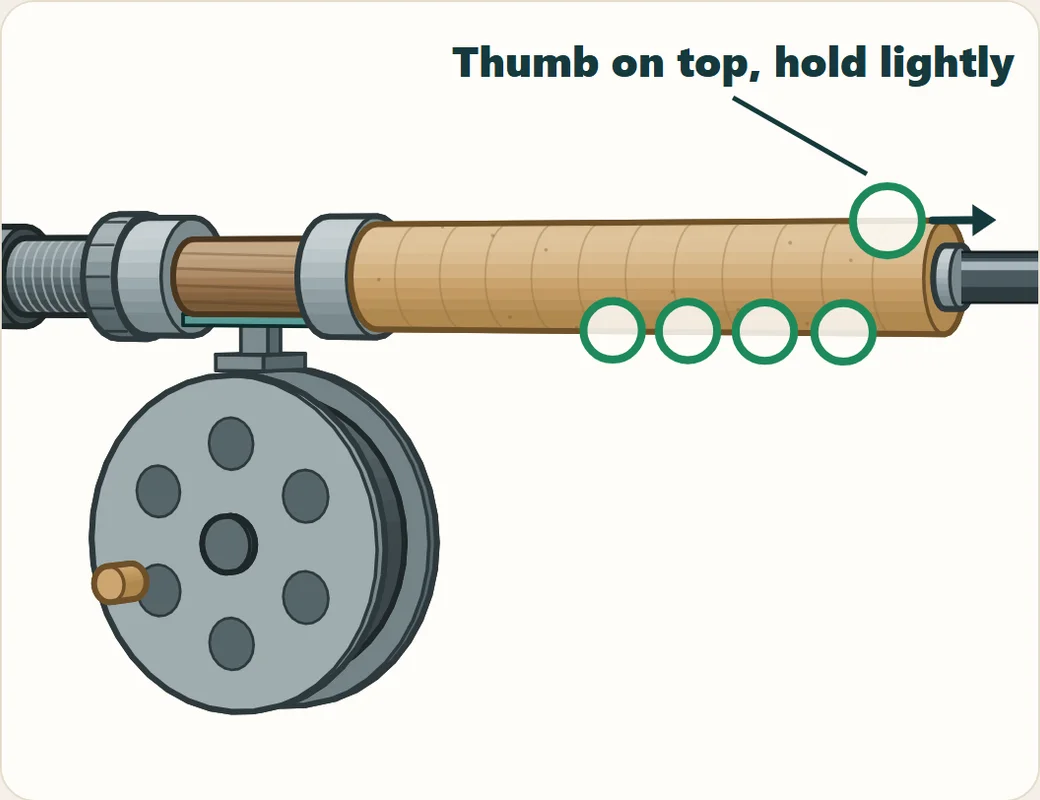
Choose instruction for the fishing you actually want to practice. For the full beginner path, see how to learn fly fishing; for choosing and using lessons on a screen, see learn fly fishing online.
Choose a teacher who knows your coast
Choose instruction that covers the coastal place where you intend to fish. A sheltered beach, pier or jetty calls for questions about access and conditions as well as tackle.
Before booking, ask whether the teacher will cover weather, waves, tides, rip currents, slippery rocks and a safe route back, including when to cancel or leave. Use the sea-safety advice in first-time fishing to prepare for the outing.
The app's sea shore lessons cover spotting a rip current and reading a local tide table, including leaving before rising water covers your path. Use them to prepare questions for your local teacher.
Ask the teacher to explain why the spot suits the conditions. For a charter, ask before booking whether a life jacket that fits you is provided, and wear it on board. Life jacket rules differ by country and region; check your local fishing or boating authority.
For fish handling and rinsing salt off your gear afterward, follow the steps in learn fishing.
Avoid choosing help for the wrong reason
Judge instruction by what you get to learn and try. A price tag, a long video list or someone's impressive catches does not tell you whether their teaching fits your question.
Do not buy a catch-focused trip without asking about lessons. If the helper prepares everything and hands you the rod, ask for a chance to repeat the preparation yourself. Agree on that before booking.
Do not pay club dues before checking beginner support. Ask what you can attend, who will help and whether activities match the water you can reach.
Do not choose resources by quantity alone. A useful explanation should show your equipment and the step you are trying to understand. Keep a clear beginner reference, then look up a particular question when it arises.
Do not let the helper become your source of current law. Check official rules yourself. Local habits and old printed instructions do not replace current requirements.
Rules, licenses, seasons and limits differ by country and region. Check your local fishing authority for the exact water, including any separate freshwater and saltwater requirements.
If a lesson leaves you confused, identify the missing explanation or demonstration. You may need a different teacher, a clearer view of the movement or a chance to try it yourself. Ask for that specific help before paying for more of the same.
Frequently asked questions
How do you learn to fish as a beginner?
Choose instruction for water you can reach and a method you want to use. Pair a beginner guide or course with someone who can watch you practice. Compare teaching time, equipment, scheduling and cost before booking. For the practice method, see can you teach yourself to fish.
Is a book or a video better for learning to fish?
A printed guide is easy to keep beside your gear while you follow a diagram. A video shows movement, such as how the rod moves during a cast. Choose whichever makes the step clearer, and check that it shows equipment like yours. Fishing authorities publish both kinds of beginner material.
Is it worth paying for a fishing guide?
It can be, if the guide agrees to teach the skills you want to repeat. Ask about beginner experience, teaching time, group size, provided equipment and the full cost. Choose a teaching session that matches your goal, whether from shore or a boat.
Should I learn from a friend or at a beginner event?
A patient friend can fit your schedule and watch your attempts closely. An organized beginner event offers a planned introduction with supervised practice. Ask the friend what they can teach, or the event organizer what the session covers. Choose the one that matches your next learning goal, or use both.
How can I tell whether a fishing club teaches beginners?
Ask for details of a beginner session: who teaches, what you will practice and whether it suits adults with no experience. Check the water and method too. A club's competition schedule or catch photos do not tell you what instruction membership includes.
What should I ask a sea-fishing teacher before booking?
Ask where the lesson takes place, whether it teaches shore or boat fishing, and how conditions affect cancellation. Ask whether local safety and saltwater rules are covered. For a charter, confirm that a life jacket that fits you is provided. Choose instruction for the coastal fishing you plan to repeat.
Can I ask a fishing guide to work on just one skill?
Ask before paying. Name the task you need help with, such as assembling your equipment, and explain what you can already do. Find out whether the guide offers a focused lesson and how much time you will have to try the task yourself. The answer depends on the provider.
Sources
- Ontario Ministry of Natural Resources: Learn to Fish
- NSW Department of Primary Industries and Regional Development: Come Fish with Us
- Inland Fisheries Service Tasmania: Get some expert advice
- New York State Department of Environmental Conservation: Learn to Fish
- Ontario Ministry of Natural Resources: Free family fishing
- Texas Parks and Wildlife Department: Tackle Loaner Program
- International Game Fish Association: Intro to Fishing
- National Park Service: Fly fishing
- Surf Life Saving NSW: Rock fishing
- Surf Life Saving NSW: Rip currents
- Texas Parks and Wildlife Department: Fishing gear maintenance and repair
- U.S. Coast Guard: Life jacket wear: Wearing your life jacket
- Transport Canada: Choosing lifejackets and personal flotation devices (PFDs)